Training centres produce certified candidates. Apparel units need skilled workers. We connect the two — mapping trained talent against live openings and coordinating placement.
India's skilling ecosystem and its apparel industry have a coordination problem rather than a supply problem. NSDC-affiliated centres, ITIs and vocational institutes certify large numbers of candidates in apparel trades each year. Manufacturing units in the same regions simultaneously report unfilled positions and recruitment difficulty.
The gap is structural. Training centres are measured on placement outcomes but often lack direct industry relationships. Units recruit through informal referral networks and rarely know which centres are producing candidates in the right trade, at the right level, nearby. Candidates, having completed certification, drift to other sectors.
Croplot sits between the two, with working relationships on both sides.
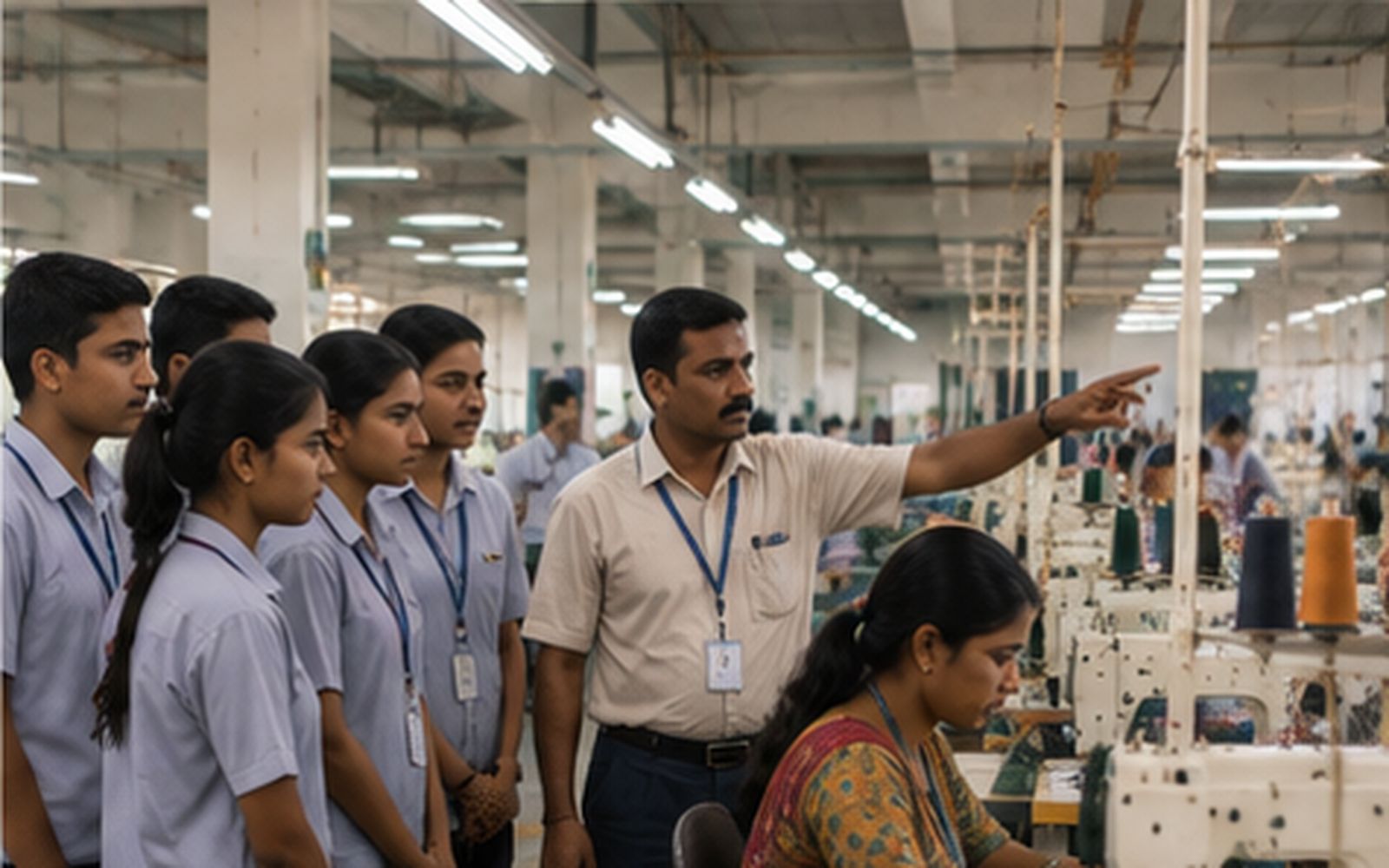
Centres needing real industry placement outcomes for certified candidates.
Units with recurring skilled manpower requirements and limited recruitment reach.
Institutes running apparel trades and seeking industry connections for their students.
It is closer to structured placement coordination than agency recruitment. The distinguishing factor is that we work from both sides — we understand what the training centre actually taught and what the unit actually needs, because we work in both environments.
That is a common gap, and one we can close directly — our own operator training can top up candidates to the level a specific unit requires before they join.
Yes. We operate pan-India on both the institute and industry sides.
We follow up during the initial settling period. Early-stage attrition is the most common failure point in apparel placements, and it is usually addressable if caught early.